
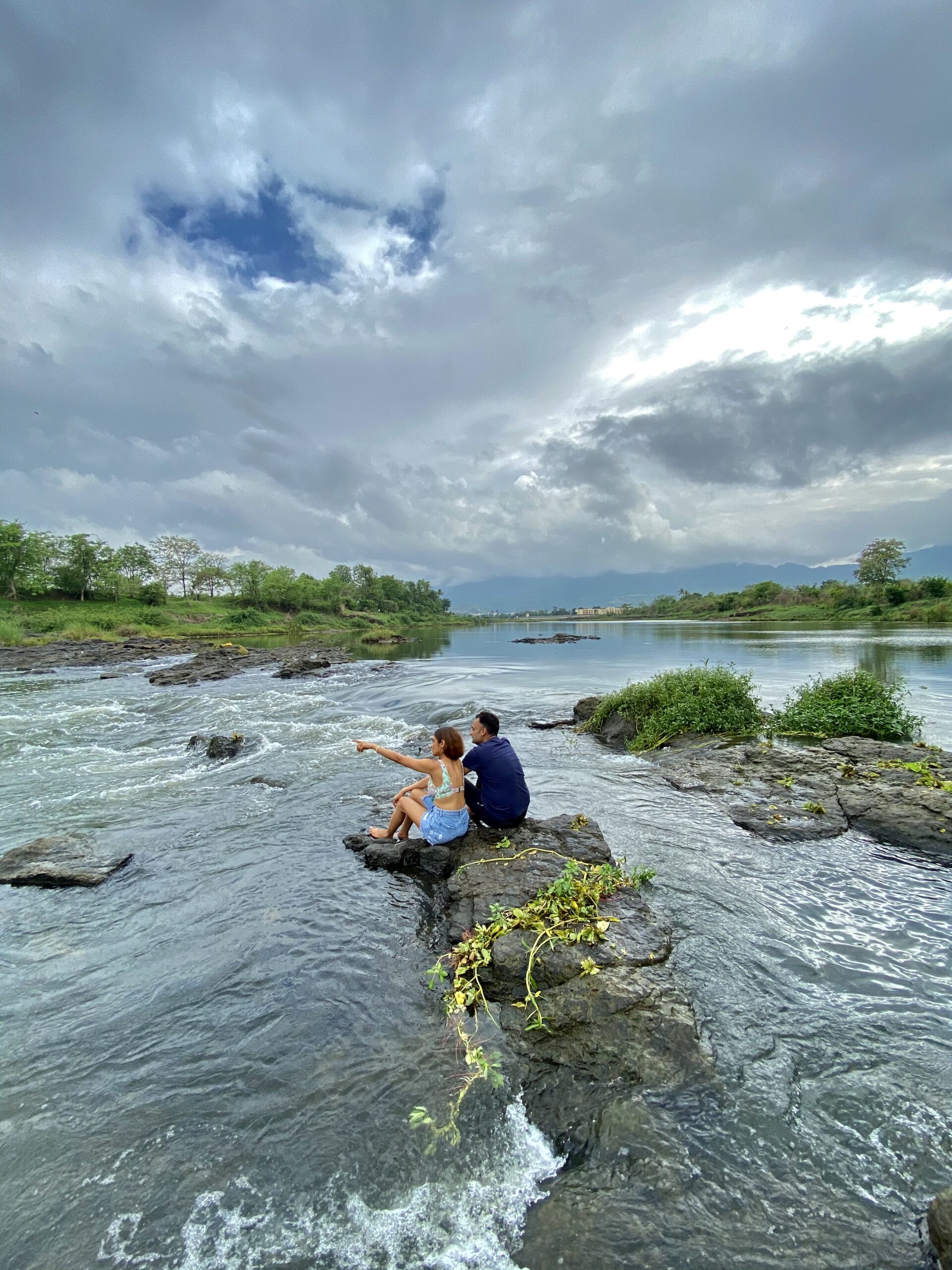
You've felt that way—the way you do after a night next to a quietly moving river. The air is cooler. Your brain relaxes. And for some reason, you sleep more soundly than you have in days.
Yet the thing is, it's not all about the calming sound.
At Moonstone Hammock, where most of our glamping spots are located along rivers and streams, we hear it all the time:
"I don't remember the last time I slept so deeply."
And science is finally catching up with what our bodies have known all along.
🌎 1. We're Water Beings-Literally and Evolutionarily
Let's begin at the beginning. Not your childhood,but the beginning of life.
Each of us started in a liquid world- the womb, a mini-replica of the ancient oceans where life began. For two million years, water wasn't where we dwelled, but what we were. It determined our biology, our behavior, even our sense of security.
We are still 60% water. Our brains float in it. Our cells communicate in it.
So when you sleep next to a river, your body isn't merely relaxed—it's home.
🌬️2. Rivers Create Their Own Microclimates (Perfect for Sleep)
Rivers aren't merely picturesque—they form microclimates around them. Running water naturally cools and humidifies the air, which reduces your core body temperature, allowing you to drift into deep, restorative sleep.
Science dictates the perfect sleep temperature is between 16–20°C, something nature gets spot on with riverside air.
⚡ 3. Negative Ions = Positive Sleep
Gentle flowing water generates negative ions—invisible particles that are plentiful in the natural world but nearly non-existent in urban environments.
These ions assist in balancing serotonin levels (mood and emotion), they enhance our oxygen uptake in the brain and reduces our stress and anxiety.
Some research even indicates they assist in regulating circadian rhythms and inducing deeper sleep stages.
That calm sensation by the stream? Not placebo—it's biological rebalancing.
🔊 4. It's Not White Noise—It's Pink Noise (And Your Brain Loves It)
River noises are in the realm of pink noise—a softer, more natural frequency that replicates the way our brains interpret sound.
As opposed to harsh or piercing sounds (such as alarms or traffic), pink noise becomes part of the background, softly muffling intrusions and calming your brain into a slower cycle.
Studies indicate pink noise while sleeping can even enhance memory consolidation and brainwave stability.
🧘 5. Water Calms Your Nervous System—Instinctively
Marine biologists and neuroscientists refer to it as the "Blue Mind" effect—a soothing, contemplative state we're in when close to water.
This reaction isn't emotional—it's evolutionary. Early humans camped near rivers not only to survive, but because they provided safety. Running water equated to food, water, movement, and life.
Being by water decreases your heart rate, lowers cortisol levels, and stimulates the parasympathetic nervous system—the branch that oversees rest and recuperation.

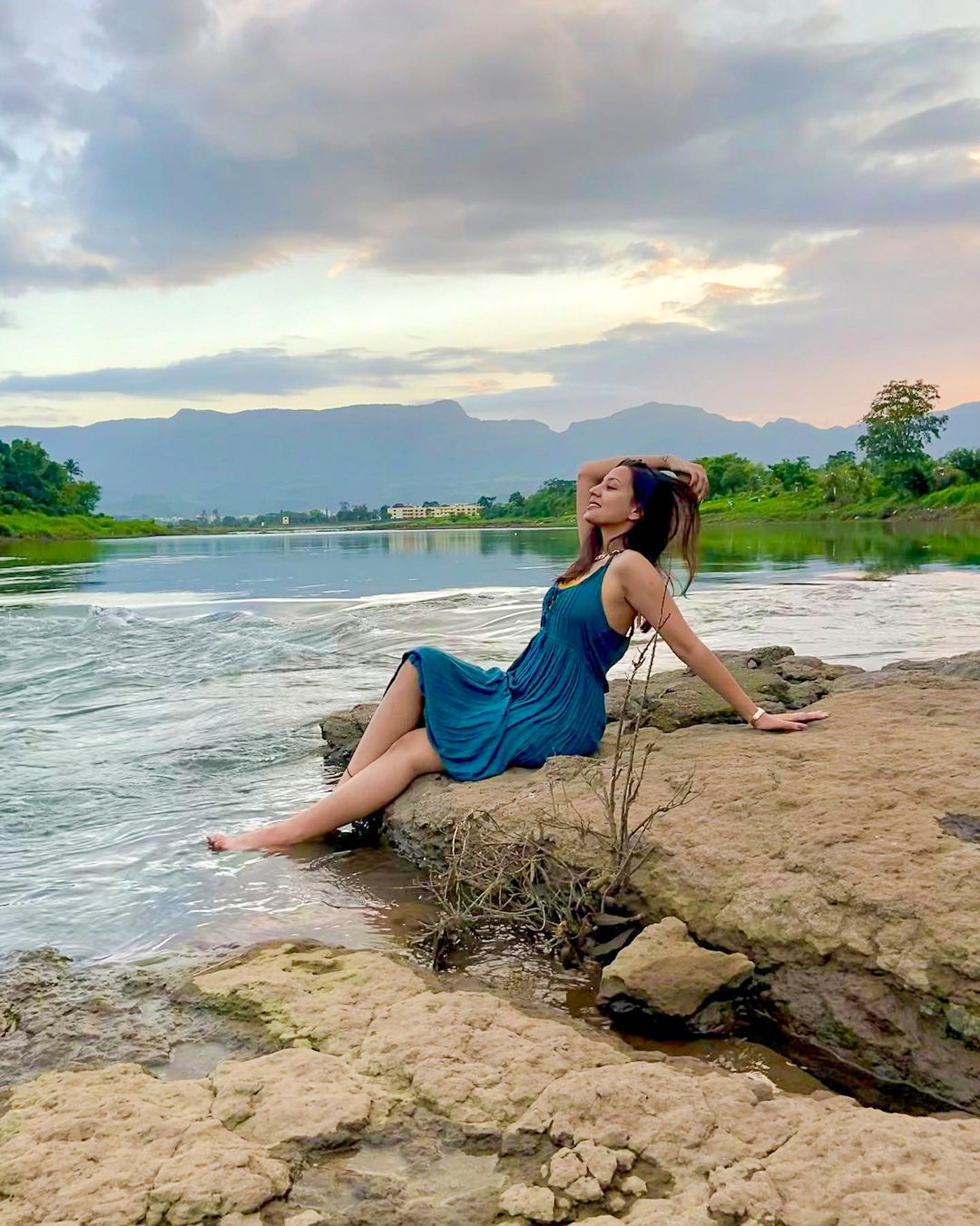
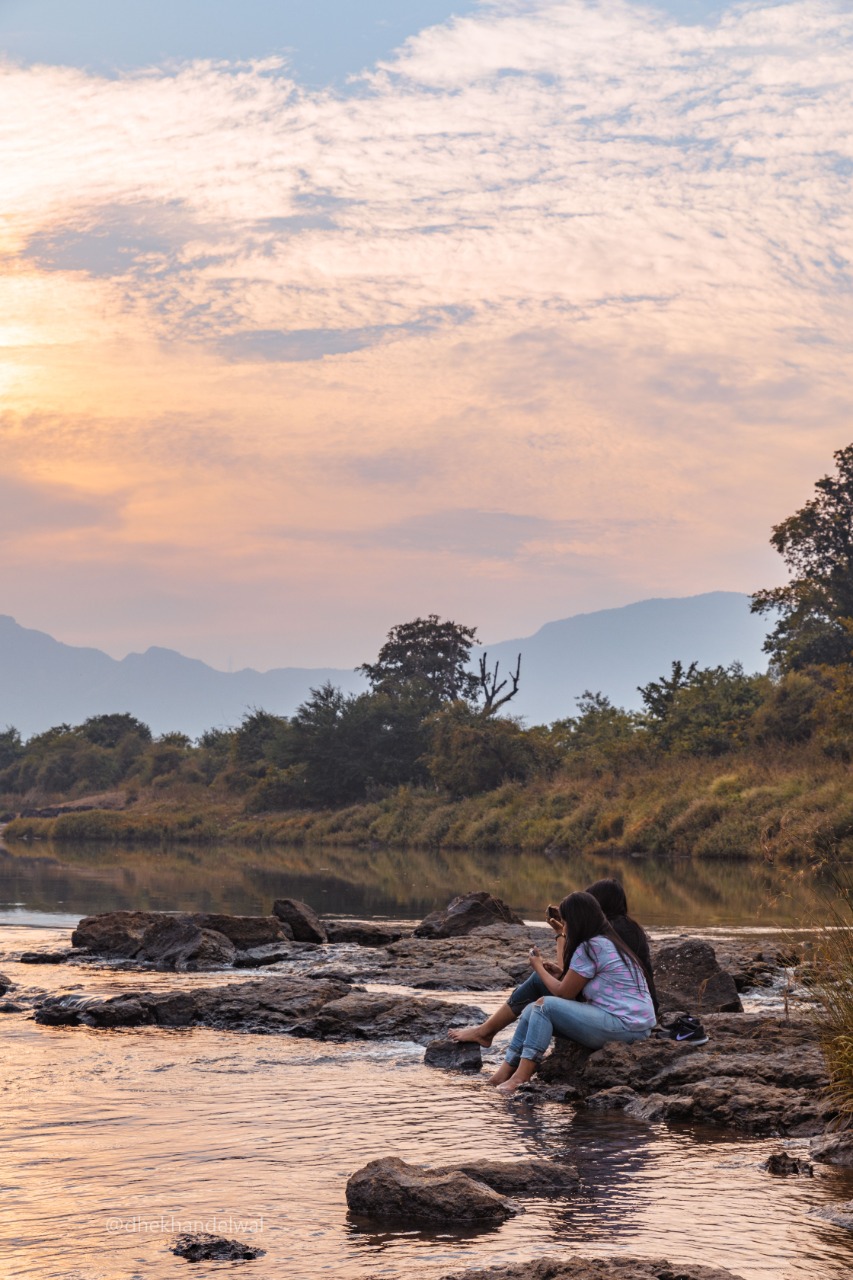
🌿Last Thought: Rivers Don't Just Move—They Cure
As you drift off to sleep alongside a river, your body isn't responding to vacation—it's recalling an ancient heartbeat.
It recalls safety, stillness, and surrender.
Moonstone Hammock doesn't provide just riverside accommodations—it provides a means for you to regain that memory in your cells. Where rest is not achieved. It's intrinsic.
And sometimes, all it takes to reset your body and mind… is to lie down beside a flowing stream.